


The apparel industry is one of the sectors with the most complex supply chains, with many stages involved from raw material production, processing, product finishing to distribution and retail. A strong supply chain not only helps businesses optimize costs, increase efficiency but also helps maintain long-term cooperative relationships with partners, thereby enhancing competitiveness in the global market.

Garment and textiles are among the industries with the largest number of booths at VIS
Sustainable supply chains are not just a trend, but a new standard
According to a McKinsey report, 67% of global consumers are willing to pay more for sustainable apparel products. Along with that, major brands such as H&M, Zara, Uniqlo are setting stricter requirements on material certification, labor conditions, green production processes and social responsibility.
If garment enterprises cannot build sustainable relationships with partners in the supply chain, it is easy to encounter problems such as:
- Unstable source of raw materials – dependent on suppliers, not ensuring quality & price.
- Delayed orders – lack of coordination between parties, not optimizing the process.
- Not meeting export standards – losing opportunities to cooperate with international brands.
Factors that help build sustainable relationships in the garment supply chain
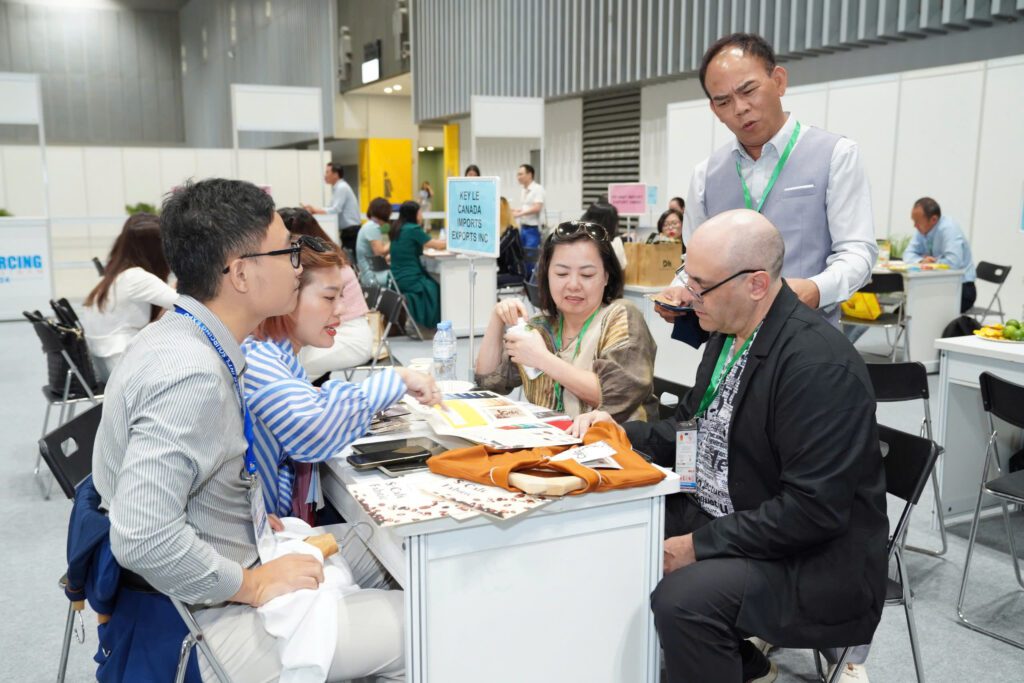
Vietnam is the second largest textile and garment exporter in the world
Transparency and long-term commitment between parties
- Transparency of information on prices, production costs and quality standards helps businesses & partners trust each other.
- Commitment to long-term cooperation helps avoid the situation of constantly changing suppliers, ensuring stability in production.
- Applying Blockchain technology to track the origin of raw materials, reducing fraud in the supply chain.
Select suppliers with sustainable standards
- Prioritize raw material suppliers that meet FSC, OEKO-TEX, GOTS standards to ensure responsible production.
- Cooperate with domestic suppliers to reduce transportation costs & optimize domestic supply chains.
- Develop a periodic inspection policy to ensure partners comply with labor & environmental commitments.
Innovate production processes to optimize supply chains
- Apply Lean production models to reduce material waste and optimize production processes.
- Use AI and Big Data to forecast market demand, thereby flexibly adjusting production.
- Build smart warehouses to effectively manage inventory, reduce raw material shortages.
New trends in building sustainable relationships in the apparel supply chain
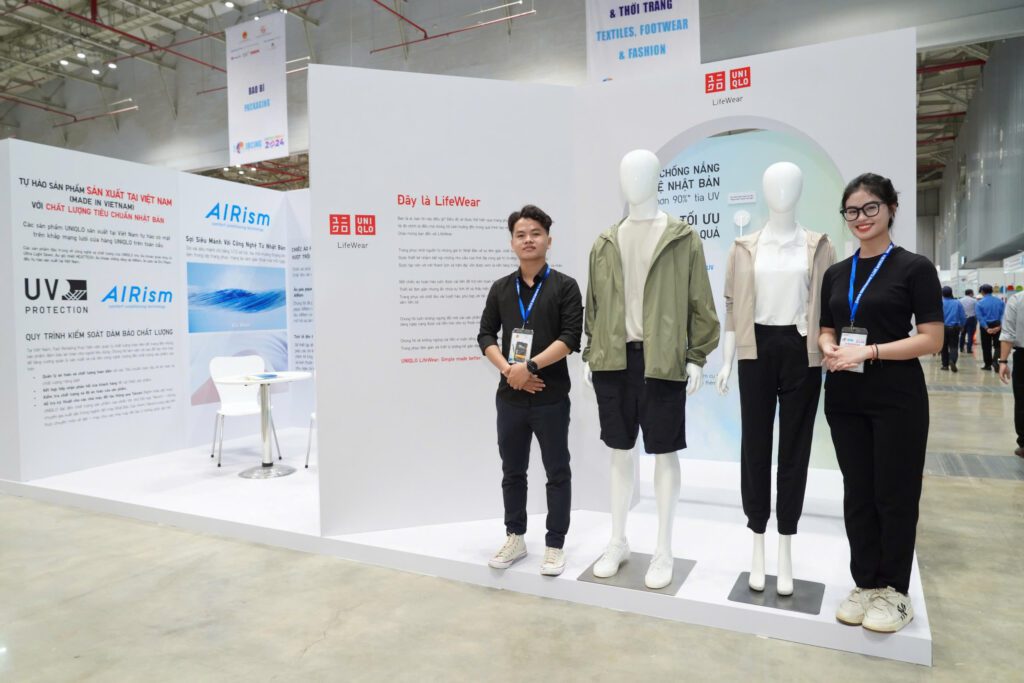
Uniqlo is one of VIS’s strategic partners
1. E-commerce changes the way businesses connect with suppliers
- B2B e-commerce is making it easier for businesses to find & cooperate with suppliers from many countries.
- Platforms such as Alibaba, Amazon B2B help textile and apparel businesses access supplies faster.
2. Global brands prioritize green supply chains
- Uniqlo, Decathlon, Fashion Retail Group commit to using 100% recycled materials & reducing carbon emissions by 2030.
- The EU applies stricter policies on the origin of raw materials, requiring apparel businesses to upgrade their supply chains to meet export standards.
3. “Reshoring” trend – Shifting production closer to the consumer market
- The US and EU are gradually reducing their dependence on China, instead looking for manufacturers in Vietnam, India, and Bangladesh.
- Vietnam is the second largest textile and garment exporter in the world, opening up great opportunities to build a sustainable and competitive supply chain in the international market.
Vietnam Sourcing Expo 2025 – Optimizing a sustainable apparel supply chain
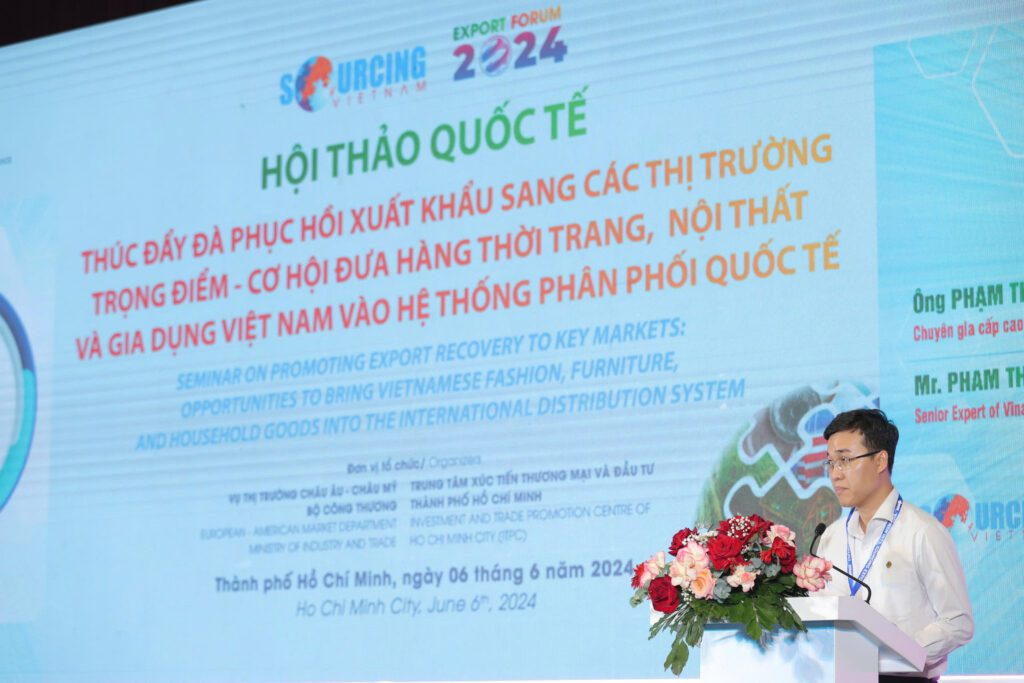
Specialized seminar on Vietnam’s textile and garment exports to international markets at VIS
In the face of major market changes, Vietnam Sourcing Expo 2025 organized by the Ministry of Industry and Trade will be an important event to help businesses connect with international buyers, update supply chain trends, and expand export markets.
Benefits of participating in Vietnam Sourcing Expo 2025:
- Connecting more than 10,000 international buyers from the US, EU, Middle East, and Japan.
- Sourcing sustainable raw materials, cooperating with suppliers that meet FSC, PEFC standards.
- Update B2B e-commerce trends, expand sales channels on international platforms.
- In-depth workshop on export strategy, ESG standards, supply chain optimization.
📅 Time: 04 – 06/09/2025
📍 Location: SECC, Ho Chi Minh City
👉 Click here for more advice on the exhibition: [Registration link]
Conclusion
Building sustainable relationships in the garment supply chain not only helps businesses reduce risks but also creates long-term competitive advantages. Investing in transparency, green production, and supply chain optimization will help businesses expand their markets and meet the increasing demands of international buyers.
Vietnam Sourcing Expo 2025 is an opportunity for businesses in the garment industry to improve their capacity, connect with strategic buyers and build a solid supply chain for the future.


